
From candlelit French salons to modern-day female rebellion. Why boudoir has never gone out of style. Let’s deep dive into the history of Boudoir Photography.
Photography trends come and go constantly. Entire styles vanish into forgotten hard drives, yet boudoir, keeps evolving. Reappearing. Reinventing itself for every generation of women brave enough to step in front of the lens and say: “Actually… I’d quite like to be seen.”
Boudoir was never really about lingerie.
It’s about identity. Power. Vanity. Vulnerability. Seduction. Art. Rebellion. Attention. Confidence. Fantasy. Curiosity. Sometimes heartbreak. Sometimes healing. Sometimes, a giant middle finger to the version of yourself that spent years hiding.
Women have been commissioning intimate portraits of themselves for far longer than most people realize, centuries before modern boudoir studios existed.
And the history behind it is fascinating.
First Things First: What Is a Boudoir?
The word boudoir comes from France.
Originally, a boudoir wasn’t a photography style at all. It was a private room belonging to a woman, somewhere between a dressing room, a sitting room, and a sanctuary. A hidden little world away from public life. A place to read letters, dress slowly, gossip, think, flirt, rest, or simply exist without being observed.
That feeling of intimacy still shapes boudoir photography as we know it today. The use of soft lighting. The mirrors and silky sheets or a robe carefully slipping off a shoulder. It still harnesses the sense of being seen in a rare, private moment.
Before Cameras: Women Were Being Painted Sensually
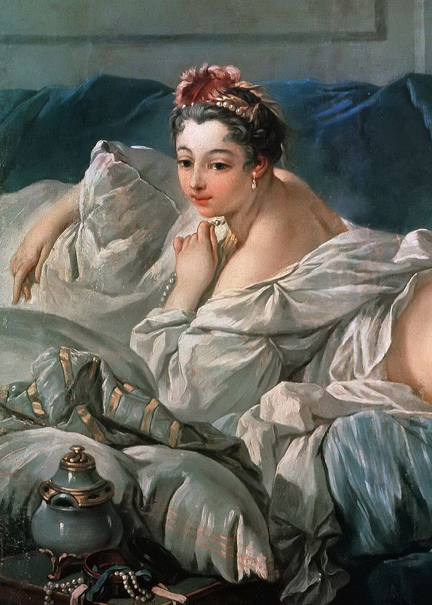
Even before photography existed, wealthy women commissioned paintings of themselves in intimate settings. Not explicit or pornographic.
These paintings often showed women brushing their hair, reading letters, lounging in corsets, exposing shoulders or ankles, or gazing into mirrors. Tiny details that suggested sensuality without screaming it.
Historically, boudoir lived in the space between elegance and temptation. Suggestion has always been more powerful than showing everything. That influence exists today and often the strongest boudoir photographs reveal the least. A hand on a hip. A glance over a shoulder. A half-buttoned shirt. Confidence dripping out of the image without needing to hit people over the head with it.
Painters throughout the 18th and 19th centuries became obsessed with feminine privacy and sensuality. The rise of Rococo art in France especially leaned heavily into softness, romance, flirtation, lace, curves, pastel fabrics, and dreamy interiors. A huge amount of modern boudoir styling still stems directly from this period of history.
The Victorian Era: When Boudoir Became Photography
Once photography arrived in the mid-to-late 1800s, intimate portraiture quickly followed.
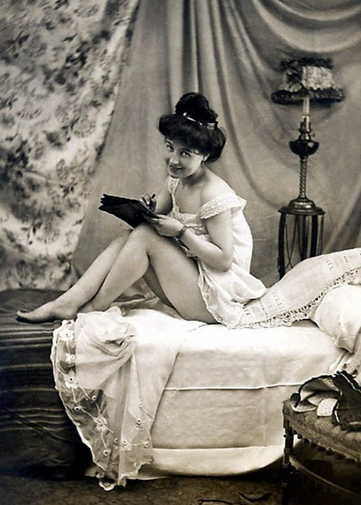
Victorian and Edwardian women began sitting for sensual portraits wearing corsets, lace, silk robes, stockings, gloves, and elaborate hairstyles. Some images were soft and romantic, while others leaned further into erotic photography and the growing fascination with the female form.
At a time when even showing an ankle could be considered scandalous, these photographs carried huge secrecy and intrigue. Some were inspired by classical paintings and sculpture, while others were privately circulated as “French postcards”, small erotic images that became incredibly popular throughout Europe.
Despite Victorian society appearing strict and reserved, there was a deep fascination with sensuality underneath it all. Photography suddenly allowed intimacy, beauty, seduction, and even tasteful nudity to be captured realistically for the very first time.
Some women sat for intimate portraits as gifts for lovers or husbands (which is still a trend today, read here!). Some performers, dancers, actresses, and courtesans used erotic photography to build allure, status, or income. Others likely enjoyed the thrill of exploring another side of themselves in a society that otherwise expected women to behave quietly and modestly at all times.
Victorian women were doing something very similar to modern boudoir clients: stepping briefly outside society’s expectations and allowing themselves to feel beautiful, desired, expressive, and seen.
The 1920s & 1930s: Glamour Changes Everything
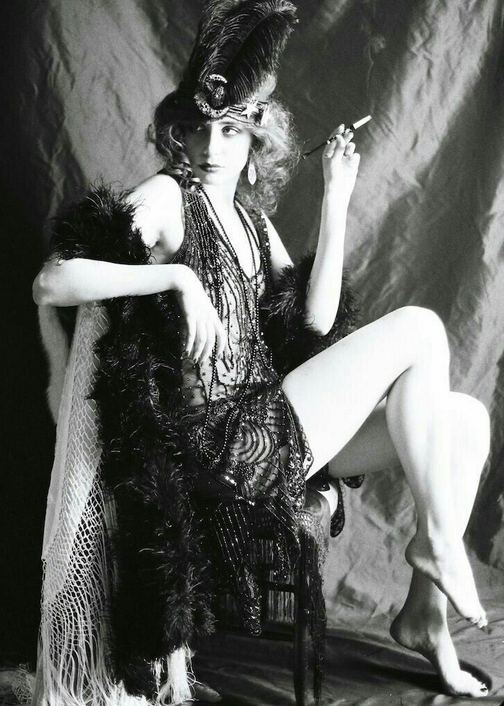
After decades of rigid Victorian expectations, women suddenly stepped into a bolder version of femininity. Flappers arrived with shorter hair, shorter skirts, cigarettes, confidence, and absolutely no interest in behaving quietly. Women were dancing, drinking, working, exploring fashion, and expressing themselves in ways society hadn’t previously allowed.
For the first time, sensuality started becoming something women could own publicly rather than hide privately.
Hollywood exploded during this era, too, creating some of the most iconic glamour imagery in history. Women like Marlene Dietrich, Clara Bow, Greta Garbo, and Jean Harlow helped shape the visual DNA boudoir still uses today: smoky eyes, dramatic shadows, satin fabrics, long gloves, velvet furniture, soft-focus lighting, and women looking directly into the camera with complete confidence.
This era introduced glamour photography as we recognise it now, and modern boudoir still leans heavily into it for inspiration. So many of the poses, lighting styles, and cinematic moods used in boudoir studios today can be traced directly back to 1920s and 1930s Hollywood portraiture. We love it!
Perhaps the biggest shift of all was that women no longer appeared simply delicate or decorative in photographs. They began looking powerful, magnetic, playful, seductive, and fully aware of the effect they had on the camera, something that still sits right at the heart of boudoir photography today.
The Pin-Up Era: Boudoir Gets Bold
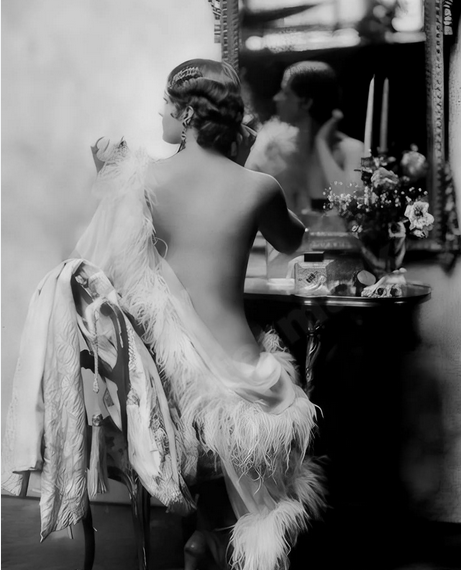
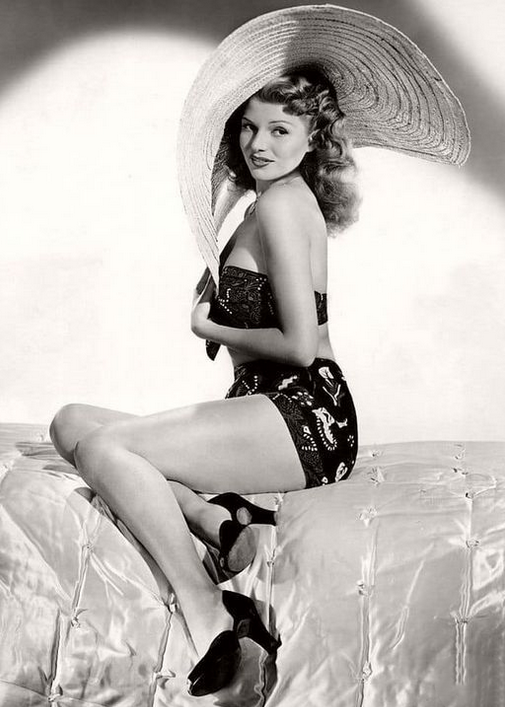
This was the golden age of pin-up culture, where femininity became bolder, flirtier, and far more playful. Women were photographed in structured lingerie, suspender belts, fitted dresses, heels, silk robes, corsets, and those now-iconic victory rolls. During World War II, pin-up imagery exploded in popularity, offering escapism, confidence, glamour, and fantasy during incredibly difficult times.
Women like Bettie Page, Rita Hayworth, Marilyn Monroe, and Betty Grable helped redefine sensuality through photography. Unlike the softer sensuality of earlier eras, pin-up photography leaned confidently into curves, teasing expressions, playful posing, and a kind of unapologetic feminine power.
This era shaped modern boudoir photography massively. The stockings, corsets, red lips, arched backs, satin gloves, winged eyeliner, retro curls, and “caught in a private moment” posing still appear in boudoir studios everywhere today.
And perhaps that’s because pin-up photography wasn’t just about looking sexy. It was about confidence. Personality. Presence. Women looking directly into the camera, fully aware of their beauty and completely owning it. That energy still sits right at the heart of boudoir photography now.
The 1960s–1990s: Sexual Freedom & Fashion Influence
The 1960s and 70s introduced sexual liberation, experimentation, and a huge cultural shift in how women expressed themselves. Photography became more daring, artistic, emotional, and fashion-led. Women were no longer simply posing to look beautiful; photography was becoming a way to express personality, freedom, sensuality, and individuality.
As colour photography became more widely used and accessible, boudoir imagery became richer and more expressive too. Deep red lips, smoky blue eyeshadow, golden skin tones, satin fabrics, dramatic lingerie, and bold studio styling suddenly became part of the visual experience in a whole new way.
By the 1980s, glamour photography had become completely larger-than-life. Huge hair, smoky makeup, satin sheets, dramatic studio lighting, glossy magazine aesthetics, and unapologetic femininity dominated the era. Boudoir became bold, theatrical, and highly stylised.
Then in the 1990s, fashion photography became rawer, moodier, and more intimate. Black-and-white imagery came back, and bedsheets, oversized shirts, grain, natural posing, soft window light, and cinematic simplicity began heavily influencing boudoir photography.
Why Boudoir Has Never Disappeared
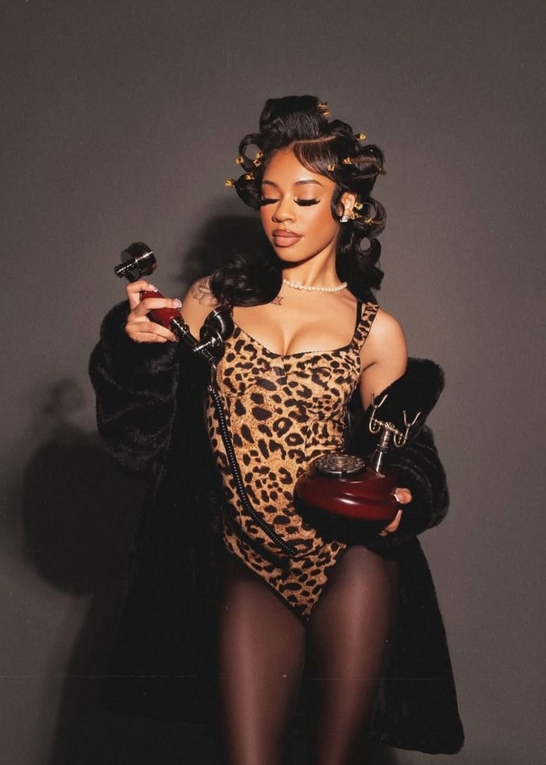
Over the last two decades, boudoir photography has evolved yet again, perhaps into its most meaningful form so far.
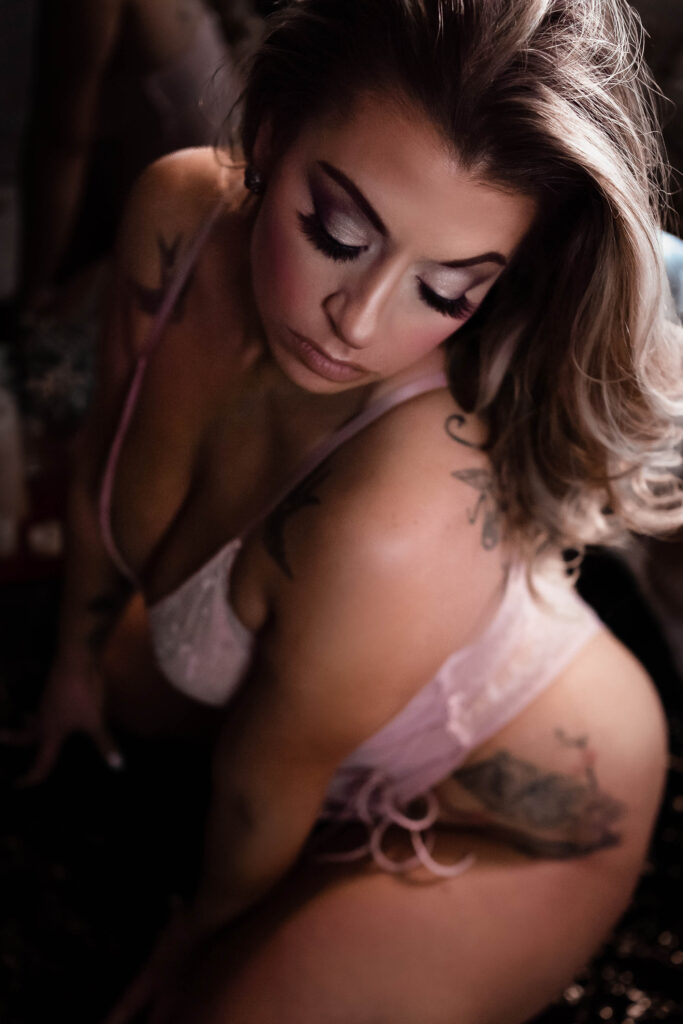
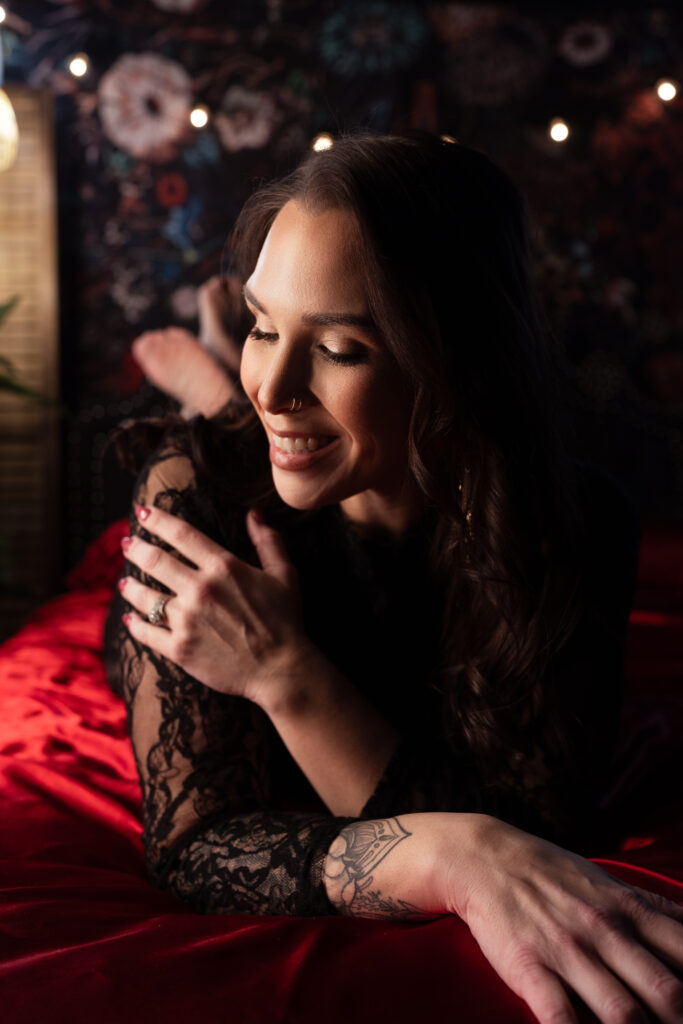
The rise of digital photography, fashion editorials, social media, and female-led photography studios completely changed the experience. Boudoir slowly moved away from being something created purely for somebody else and became something far more personal. Women began booking sessions after divorce, after illness, after motherhood, before milestone birthdays, after heartbreak, after huge life changes, or simply because they had spent years hiding from cameras altogether.
For many women, a boudoir session is now less about seduction and more about reclaiming parts of themselves that life slowly buried under stress, responsibility, relationships, anxiety, work, ageing, motherhood, or years of self-criticism. The modern boudoir movement is softer in some ways, more emotional in others, and deeply tied to the idea of finally allowing yourself to exist in photographs without apology.
Women have been doing versions of this for centuries.
Different eras changed the styling, the fashion, the posing, and the politics around women and sexuality, but the need behind boudoir never disappeared. Because the desire to feel seen never disappeared.
There is something deeply important about existing beautifully in photographs. Not hidden behind your children, your partner, your work, or everybody else’s needs. As you are now, documented intentionally. This is the fundamental reason why boudoir has never disappeared. Women kept needing it.
So perhaps this is your invitation to become part of that history too. Not because you need permission to take up space. But because one day, years from now, you’ll look back at these photographs and realize they captured far more than what you looked like. And that is a pretty extraordinary thing to give yourself!


share this post on